Luxury Bags as Investment Assets in the Modern Market
High-end designer bags have long been considered not just fashion accessories but also luxury investment assets. With global tourism surging post-pandemic and digital shopping platforms gaining traction, resale markets for luxury goods are experiencing unprecedented growth. Among these, counterfeit luxury bags stand out as one of the most concerning yet lucrative opportunities in the luxury resale space.


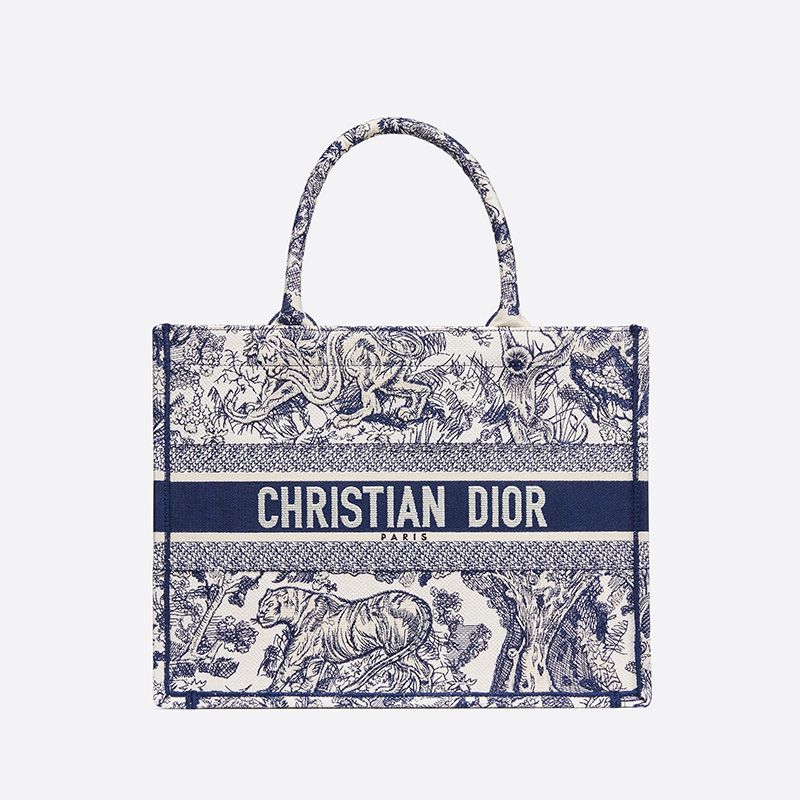
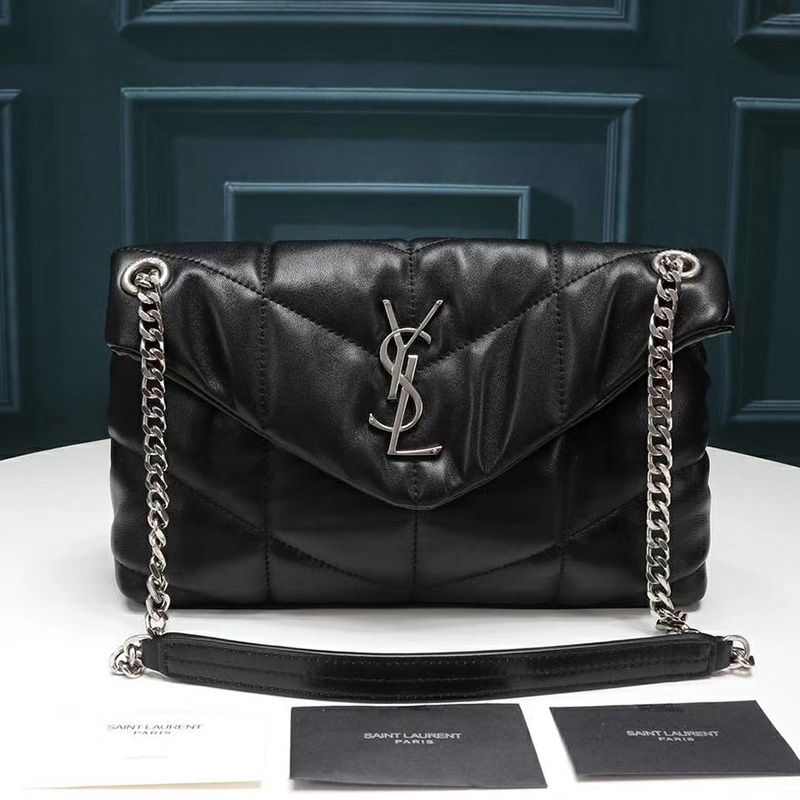

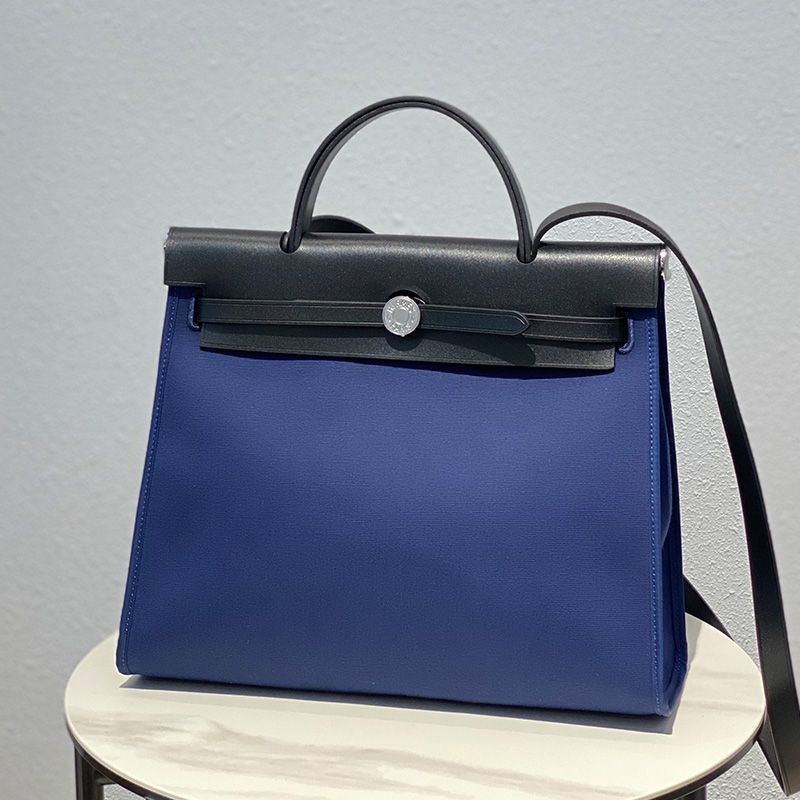
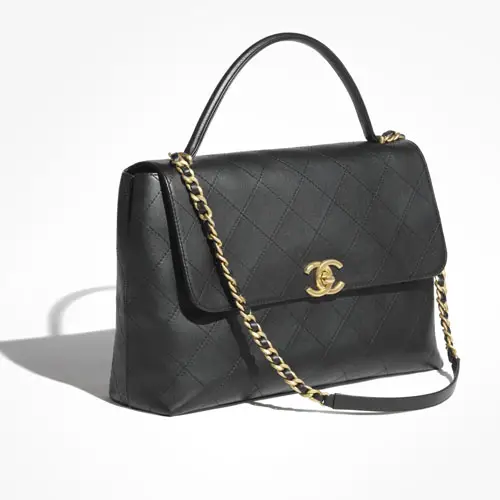
But as the demand for genuine designer bags continues to rise, so does the need to authenticate these items with precision. This has led to an explosion in online authentication platforms dedicated to verifying the authenticity of luxury goods, including bags from brands like Louis Vuitton, Chanel, and Hermès. The fake designer bags website has emerged as a critical tool for both buyers and sellers in navigating this complex landscape.
The Rise of Luxury Resale and Counterfeiting in 2025
According to recent market reports, the luxury resale industry is projected to reach $14.8 billion by the end of 2025, with counterfeit goods accounting for a significant portion of this growth. The surge in online shopping, especially during festive seasons like Christmas and Halloween, has made luxury bags an attractive target for both genuine buyers and resellers.
Consumers are increasingly aware of the risks associated with purchasing counterfeit items. Many are turning to specialized websites to verify authenticity before making a purchase. These websites often feature advanced authentication tools, including high-resolution imaging, expert appraisals, and detailed transaction histories, all designed to instill confidence in buyers.
How Does the Fake Designer Bags Website Operate?
The world of luxury resale is a double-edged sword. On one hand, it offers consumers access to designer bags that might otherwise be out of reach. On the other hand, it introduces new risks and challenges for both brands and consumers alike.
One of the most common ways to verify the authenticity of a designer bag is through online platforms. These websites often work with authenticated dealers or private sellers who are familiar with the provenance of high-end items. Buyers can upload photos of the bag in question, and these images are then compared against a database of verified products.
Some fake designer bags website even offer 3D scanning technology, allowing buyers to examine the interior and exterior of the bag in detail from any angle. This level of transparency is designed to eliminate any doubts about authenticity while providing a seamless shopping experience.
The Double-Edged Sword: Risks and Rewards
While the luxury resale market presents new opportunities, it also poses significant risks for brands. The authenticity of their products can be compromised if counterfeit items are sold under their names or if customers mistakenly believe they are genuine.
For brands, integrating authentication features into their product lines has become a strategic priority. High-end designers like Hermès and Longchamp have started offering “authenticator” bags that come with digital verification stamps. These stamps can be checked on the brand’s official website, providing customers with an added layer of security.
The Impact on Brand Reputation
The rise of counterfeit luxury bags has had a profound impact on brand reputation in recent years. Many high-end brands have faced backlash from consumers and critics for allowing counterfeit items to enter their resale markets. This has led some brands to rethink their approach to authenticity, moving away from traditional verification methods in favor of more user-friendly tools.
However, the converse is also true: the existence of these counterfeit sites has actually boosted brand reputation for transparency and innovation. Hermès, for instance, recently introduced a digital verification system that allows customers to check the authenticity of their bags directly on its website. This move was met with both criticism and praise, depending on how it was perceived by consumers.
Opportunities and Challenges
For luxury brands looking to capitalize on the resale market, there are clear opportunities. The integration of advanced authentication technology not only secures their products but also enhances customer trust. However, these brands must be careful to balance innovation with accessibility, ensuring that their verification tools do not alienate potential customers.
On the other hand, luxury resellers and counterfeit sites present a significant challenge for these brands. The temptation to exploit this market for profit is both seductive and risky. Brands must remain vigilant in identifying and combating counterfeit activities while maintaining their commitment to ethical practices.
The Road Ahead: Luxury Bags, Counterfeit Goods, and the Future of Authentication
The luxury resale market is here to stay, with counterfeit goods likely to remain a significant part of this industry for years to come. As consumers become more discerning and sophisticated, so too must brands adapt to changing consumer expectations.
For luxury bags manufacturers, the key challenge lies in striking the right balance between innovation and accessibility. The integration of advanced authentication technology is no longer optional; it’s a necessity for maintaining brand integrity in an increasingly competitive market.
As we look ahead into 2025 and beyond, the battle between authenticity and counterfeiting will undoubtedly continue to evolve. Whether you’re a luxury bag manufacturer looking to stay ahead of the curve or a consumer seeking the ultimate in security, one thing is certain: the world of luxury resale is set to become even more complex and dynamic.